
Exterior Cladding in New Zealand: Cost, Performance & Durability

By James Chong | Published 2 April 2026
Selecting exterior cladding in New Zealand is far more than an aesthetic choice. It is a critical building performance decision. Given New Zealand’s diverse and often harsh environmental conditions, ranging from high UV exposure and wind-driven rain to coastal salt spray and seismic movement, the cladding system plays a key role in protecting the building envelope over its entire lifecycle.
A well-considered cladding selection directly influences:
Capital cost (materials + installation)
Long-term maintenance obligations
Weathertightness performance
Thermal efficiency and comfort
Durability and lifecycle value
Architectural expression
This guide provides a comprehensive comparison of the most commonly used residential cladding systems in New Zealand, including real-world performance, cost expectations, and suitability across different site conditions.

💰 Cost Comparison (Supply + Installation)
Typical installed rates in New Zealand (2025–2026):
Cladding Type | Installed Cost ($/m²) |
Vinyl / PVC | $80 – $150 |
Timber Weatherboard | $180 – $350 |
Fibre Cement | $200 – $350 |
Stucco / Plaster | $180 – $320 |
Metal Cladding | $220 – $450+ |
Brick Veneer | $250 – $450 |
Stone Veneer | $300 – $600+ |
💡 Key Insight: Installation labour is a major cost driver in New Zealand. Systems such as brick, stone, and tray metal cladding require skilled trades and longer installation time, significantly increasing total cost.

🪵 1. Timber Weatherboard
Examples: SmartClad™, Pineclad, Cedar weatherboard
Architectural Character
Timber offers a warm, natural, and highly tactile finish, deeply embedded in New Zealand’s residential identity—from villas to contemporary architectural homes.
Cost
Mid-range, with premium species (e.g. cedar) significantly increasing cost.
Durability & Warranty
Typical product warranties: 10–15 years (limited)
Realistic lifespan: 30–60+ years with correct detailing
Highly dependent on paint system and maintenance
Maintenance
High. Requires:
Repainting or staining every 3–7 years
Ongoing inspection for moisture ingress, cracking, and UV degradation
Performance Considerations
Low thermal mass
Performs well when used within a ventilated cavity system (E2/AS1 compliance)
Vulnerable in poorly detailed junctions
Sustainability
Excellent when sourced from FSC/PEFC-certified timber
Low embodied carbon compared to masonry systems
Best Suited For
Architectural homes
Feature façades
Sheltered to moderate exposure zones
⚠️ Caution: Timber requires disciplined maintenance. Neglect can rapidly reduce lifespan.

🧾 2. Fibre Cement Weatherboards & Panel
Examples: James Hardie Linea™, Axon™, Innova Stratum™
Architectural Character
Versatile and widely used, offering clean, modern lines in both horizontal and vertical formats.
Cost
Mid-range, making it one of the most cost-effective performance solutions.
Durability & Warranty
Typical warranties:
Linea™: 25 years
Axon™: 15 years
Expected lifespan: 40–50+ years
Maintenance
Moderate:
Repainting typically every 7–10 years
More stable than timber (less movement and cracking)
Performance Considerations
Performs well in drained and ventilated cavity systems
Good resistance to moisture, rot, and pests
Suitable across most NZ wind and exposure zones
Sustainability
Moderate due to cement content (higher embodied carbon)
Long lifespan improves lifecycle performance
Best Suited For
Most residential projects
Medium to high exposure environments
Reliable “default” cladding in NZ construction

🪟 3. uPVC Weatherboards (Palliside)
Examples: Palliside Weatherboard
Architectural Character
Consistent, uniform finish with colour-through material, eliminating the need for painting.
Cost
Lower mid-range. Cost-efficient over lifecycle due to low maintenance.
Durability & Warranty
Typical warranty: 25 years
Expected lifespan: 30+ years
Maintenance
Very low:
No repainting required
Occasional cleaning only
Performance Considerations
Lightweight system
Requires careful detailing for thermal movement and fixing
Performs well in coastal environments
Sustainability
Lower sustainability profile due to PVC material
Limited recyclability compared to metal
Best Suited For
Rental properties
Budget-conscious builds
Coastal locations where maintenance access is difficult
🧱 4. Brick Veneer
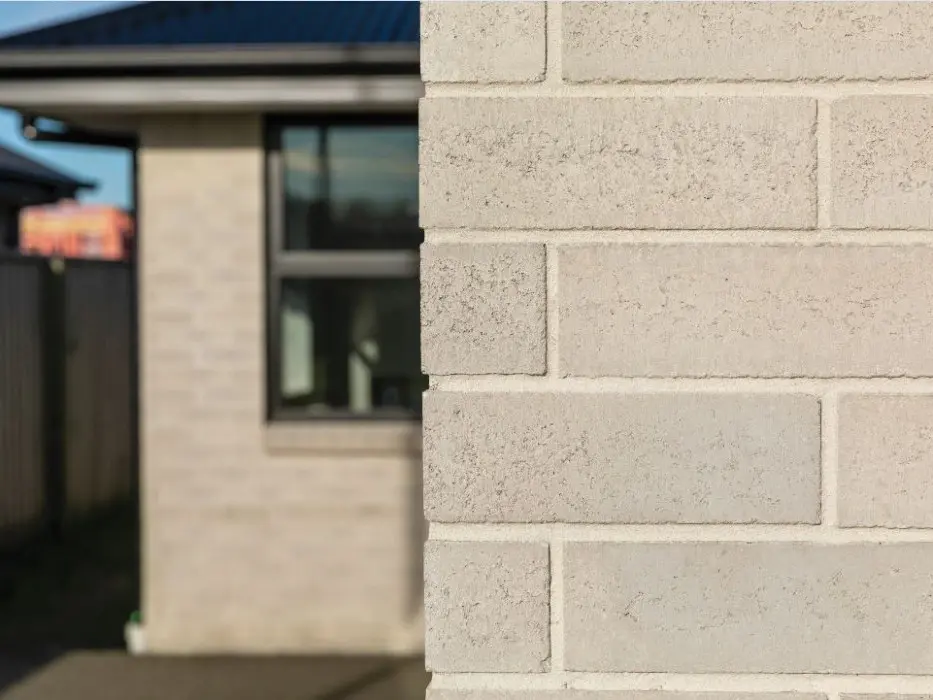
Architectural Character
A timeless, robust material that has evolved into both traditional and contemporary applications.
Cost
Mid to high initial investment.
Durability & Warranty
Lifespan: 80–100+ years
Minimal reliance on warranties, performance is inherently proven
Maintenance
Very low:
Occasional cleaning
Mortar repointing over decades
Performance Considerations
High thermal mass (improves internal temperature stability)
Performs exceptionally well in NZ cavity wall systems
Excellent durability in harsh environments
Sustainability
High embodied energy
Offset by extremely long service life
Best Suited For
Coastal and exposed sites
Clients seeking low lifecycle maintenance
Large wall areas

🪩 5. Metal Cladding (Corrugate, Tray System)
Examples: Corrugate, ESPAN™, Hiland Tray Systems
Architectural Character
Highly expressive and contemporary, ranging from industrial to refined architectural finishes.
Cost
Mid to high:
Corrugate: lower end
Standing seam / tray: premium
Durability & Warranty
Coating warranties: 20–30+ years
Lifespan: 40–80+ years, depending on environment and coating system
Maintenance
Very low:
Periodic washing (especially in coastal zones)
Performance Considerations
Lightweight
Excellent in high wind zones
Requires careful detailing to manage:
Thermal expansion
Condensation
Acoustic performance
Sustainability
High embodied energy
Fully recyclable, strong end-of-life advantage
Best Suited For
Coastal environments (with marine-grade coatings)
High wind zones
Contemporary architectural designs
🧱 6. Stucco / Plaster System (Monolithic Cladding)
Examples: StoStucco™ system
Architectural Character
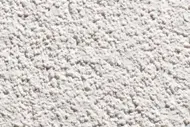
Smooth, seamless finish suited to minimalist and sculptural forms.
Cost
Mid-range.
Durability & Warranty
Warranties: typically 10–20 years
Expected lifespan: 30+ years with proper system design
Maintenance
Moderate:
Monitoring for cracks
Periodic recoating
Performance Considerations
Must be installed over a cavity system in NZ
Poor detailing historically led to leaky building issues.
Sustainability
Moderate.
Best Suited For
Simple building forms
Controlled detailing environments
Medium exposure zones
⚠️ Critical: Detailing and workmanship are key risk factors.

🪨 7. Stone Veneer
Architectural Character
Premium, textured, and visually striking, often used as a feature material.
Cost
High (material + labour intensive).
Durability & Warranty
Lifespan: 50–100+ years
Minimal formal warranties
Maintenance
Minimal:
Occasional cleaning only
Performance Considerations
High thermal mass
Heavy system requiring proper structural support
Sustainability
High embodied energy
Extremely long lifespan offsets impact
Best Suited For
Feature walls
Entry elements
High-end residential projects
⚖️ Comparison at a Glance
Material | Cost | Maintenance | Expected Life | Coastal Suitability | Sustainability |
Timber | $$ | High | 30–60+ yrs | ⚠️ | ⭐⭐⭐⭐ |
Fibre Cement | $$ | Medium | 40–50+ yrs | ✅ | ⭐⭐ |
uPVC (Palliside) | $$ | Very Low | 30+ yrs | ⭐⭐⭐ | ⭐ |
Brick Veneer | $$$ | Very Low | 80–100+ yrs | ✅ | ⭐⭐ |
Metal Cladding | $$$ | Very Low | 40–80+ yrs | ⭐⭐⭐⭐ | ⭐⭐⭐ |
Stucco | $$ | Medium | 30+ yrs | ⚠️ | ⭐⭐ |
Stone Veneer | $$$$ | Very Low | 50–100+ yrs | ⭐⭐⭐ | ⭐⭐ |
🌍 Location-Specific Considerations in New Zealand
🏖 Coastal Environments
Key risks: salt spray, corrosion, wind-driven rain
Best performers:
Metal cladding (marine-grade coatings)
Brick veneer
Fibre cement
Use with caution:
Timber (unless well detailed and maintained)
💨 High Wind Zones
Best systems:
Fibre cement
Metal cladding
Brick veneer
These systems provide robust fixing capacity and structural reliability.
☔ High Rainfall / Wet Areas
Best systems:
Fibre cement (with cavity)
Brick veneer
Metal cladding
All rely on drained and ventilated cavity design, which is essential in NZ construction.
🧠 Final Thoughts
There is no universally “best” cladding, only the most appropriate system for your site, budget, and design intent.
Key Takeaways:
Best all-round performer: Fibre cement
Best for longevity & low maintenance: Brick, stone, metal
Lowest maintenance overall: Brick and stone
Best architectural flexibility: Timber and metal
In practice, the most successful New Zealand homes use a combination of cladding materials, allowing each to:
Respond to specific environmental conditions
Express architectural hierarchy
Optimize cost and performance
Disclaimer: The views expressed in this post are my own and do not represent the opinions of any organization or employer. The content is for general information only and should not be taken as professional advice.


Comments